Seagate is facing a class action in the US due to the rupture rate too high for his specific model of hard disk 3TB for the consumer market. The lawsuit was filed on Monday in the US District Court of Northern California, and cites the reliability data of Backblaze, a backup service in the cloud that uses consumer hard disk to save data remotely.
The company was forced in recent months to eliminate in particular a model of the company, Seagate Barracuda 3TB ST3000DM001, who presented a "failure rate", a rupture rate, 32%. In short, one in three of the disks used went to meet over time to various kinds of problems, to the point that Backblaze has chosen not to use that particular model.

The company was forced in recent months to eliminate in particular a model of the company, Seagate Barracuda 3TB ST3000DM001, who presented a "failure rate", a rupture rate, 32%. In short, one in three of the disks used went to meet over time to various kinds of problems, to the point that Backblaze has chosen not to use that particular model.
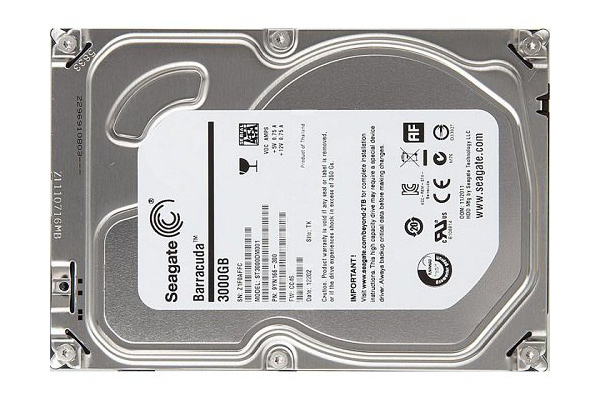
According to the class action filed on Seagate Barracuda ST3000DM001 model uses three platters 1TB each, a significantly different structure than many others of equal-end products, which use a few dishes more to offer the same capacity. In addition Seagate has just emphasized the reliability aspect in the process of promotion of the model, with a failure rate of less than 1% according to the proclamations of the company.
But data from a service like Backblaze have trust in order to assess the reliability of a disk designed for the consumer market, and therefore not to be stressed out in a manner so extreme? It is likely that Seagate will focus on this aspect, while the class-action signatories will seek to demonstrate that the use of a disk within a commercial pod storage constitutes a suitable environment to carry out representative tests.
However, Seagate should not make the same mistake that IBM had made with her own line of Deskstar drives, also not too reliable. After complaints of the first users, the company had said, even to the press, it would honor its warranty obligations to users. But this was not enough, as users have also tried to avoid the disks Deskstar family because of the now created the renowned brand.
"In terms of percentages as well, about 32% of Seagate deployed units in 2012 showed defects in the early months of 2015," it said in a formal complaint. Only 68% of the discs were functioning on that date after only three years, far less than the average recorded by other products made in the Backblaze statistics. The complaint also read some criticism within the user reviews sites, which have been reported in the documentation.
Given the high failure rate of these units, however, the substitution of a model with an identical does not make much sense, the precise charges against Seagate, since it is very likely that the new unit may be subject to breakage in a few years .
Comments
Post a Comment