Hey. This is Week-in-Review, where I give a heavy amount of analysis and/or rambling thoughts on one story while scouring the rest of the hundreds of stories that emerged on TechCrunch this week to surface my favorites for your reading pleasure.
Last week, I talked about Snap’s bizarre decision to keep pursuing hardware without really changing their overarching strategy.
The big story
Google isn’t so sweet these days.
The company’s beloved naming scheme of alphabetizing sugary things dies with Android Pie. The company announced this week that they’re dumping the dessert scheme for a much more boring option. The new Android will be Android 10.
Google has been one of those companies that has always liked to keep its quirkiness at the forefront of its brand. Multi-colored logos and bikes and hats with spinners and Nooglers and nap pods might have been the fringe elements of a Google employee’s first week on the job, but that’s what the company’s branding still evoked for a lot of people. The company’s more whimsical elements have realistically always been removed from the real world of its business interests, but at this point, the company may only be able to take away from the quirkiness of its brand, Google is just something different now.
Rebrands always grab attention, and the companies always make broad, sweeping statements about the deep meaning about what the new logo or font or name mean to the mission of the product at hand. With Android 10, Google says that their chief concern was promoting the universality of the operating system’s branding.
[W]e’ve heard feedback over the years that the names weren’t always understood by everyone in the global community. For example, L and R are not distinguishable when spoken in some languages.
So when some people heard us say Android Lollipop out loud, it wasn’t intuitively clear that it referred to the version after KitKat. It’s even harder for new Android users, who are unfamiliar with the naming convention, to understand if their phone is running the latest version. We also know that pies are not a dessert in some places, and that marshmallows, while delicious, are not a popular treat in many parts of the world.
There’s certainly room to question whether this decision has more to do with the fact that there aren’t too many desserts starting with the letter Q that immediately come to mind, or that Google marketing has decided to sanitize the Android brand with a corporate wash.
Send me feedback
on Twitter @lucasmtny or email
lucas@techcrunch.com
On to the rest of the week’s news.
Trends of the week
Here are a few big news items from big companies, with green links to all the sweet, sweet added context:
- Apple’s credit card goes wide
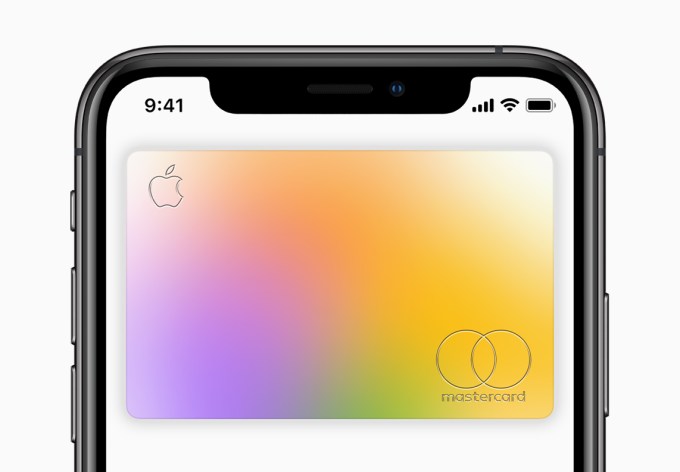
The Apple Card might be the prettiest credit card in the wild, but as the iPhone-aligned credit card starts shipping to customers, we’ll find out soon whether its extra features are enough to take down more popular millennial cards. Read more about it here. - Overstock’s CEO resigns amid bizarre “deep state” revelations
Libertarian tech CEOs are often a special kind of eccentric, but Overstock’s Patrick Byrne set a new bar for strange with his revelation that he had gotten sucked into a Trump-Russia scandal under the guise of helping unearth Hillary Clinton’s secrets. I don’t really understand it, and it seems he understood even less, but it cost him his job. Read more here. - Now, even the scooters are autonomous
Segway seems to believe that it’s revolutionized the world of transportation a few times now, but its latest product is just a bit over-teched. The Segway Kickscooter T60 adds autonomous driving capabilities to the city electric scooter, but it doesn’t use them quite the way you might think. Read more here.

Photo By Bill Clark/CQ Roll Call
GAFA Gaffes
How did the top tech companies screw up this week? This clearly needs its own section, in order of badness:
- States looking to take on tech giants themselves:
[States to launch antitrust investigation into big tech companies, reports say] - Facebook keeps learning more about how much it knew about CA:
[Facebook really doesn’t want you to read these emails] - Not really a gaffe, but just embarrassing for Apple Card:
[Apple warns against storing Apple Card near leather or denim]
Extra Crunch
Our premium subscription service had another week of interesting deep dives. My colleagues and I made our way to Y Combinator Demo Days this week where we screened the 160+ startups pitching and picked some favorites from both days..
The best 11 startups from YC Demo Days (Day 1)
“Eighty-four startups presented (read the full run-through of every company plus some early analysis here) and after chatting with investors, batch founders and of course, debating amongst ourselves, we’ve nailed down the 11 most promising startups to present during Day 1…”
The top 12 startups from YC Demo Days (Day 2)
“After two days of founders tirelessly pitching, we’ve reached the end of YC’s Summer 2019 Demo Days. TechCrunch witnessed more than 160 on-the-record startup pitches coming out of Y Combinator, spanning healthcare, B2B services, augmented reality and life-extending. Here are our favorites from Day 2…”
Here are some of our other top reads this week for premium subscribers. This week, we published a some analysis on the latest YC class and also dug deep into the perks new employees get at some top companies.
- YC is doubling down in these investments in its latest batch
- How Dropbox, Nike, Salesforce, MailChimp, Google and Pepsi welcome their new hires
Sign up for more newsletters in your inbox (including this one) here.


from TechCrunch https://ift.tt/3236PFy
via IFTTT
Comments
Post a Comment