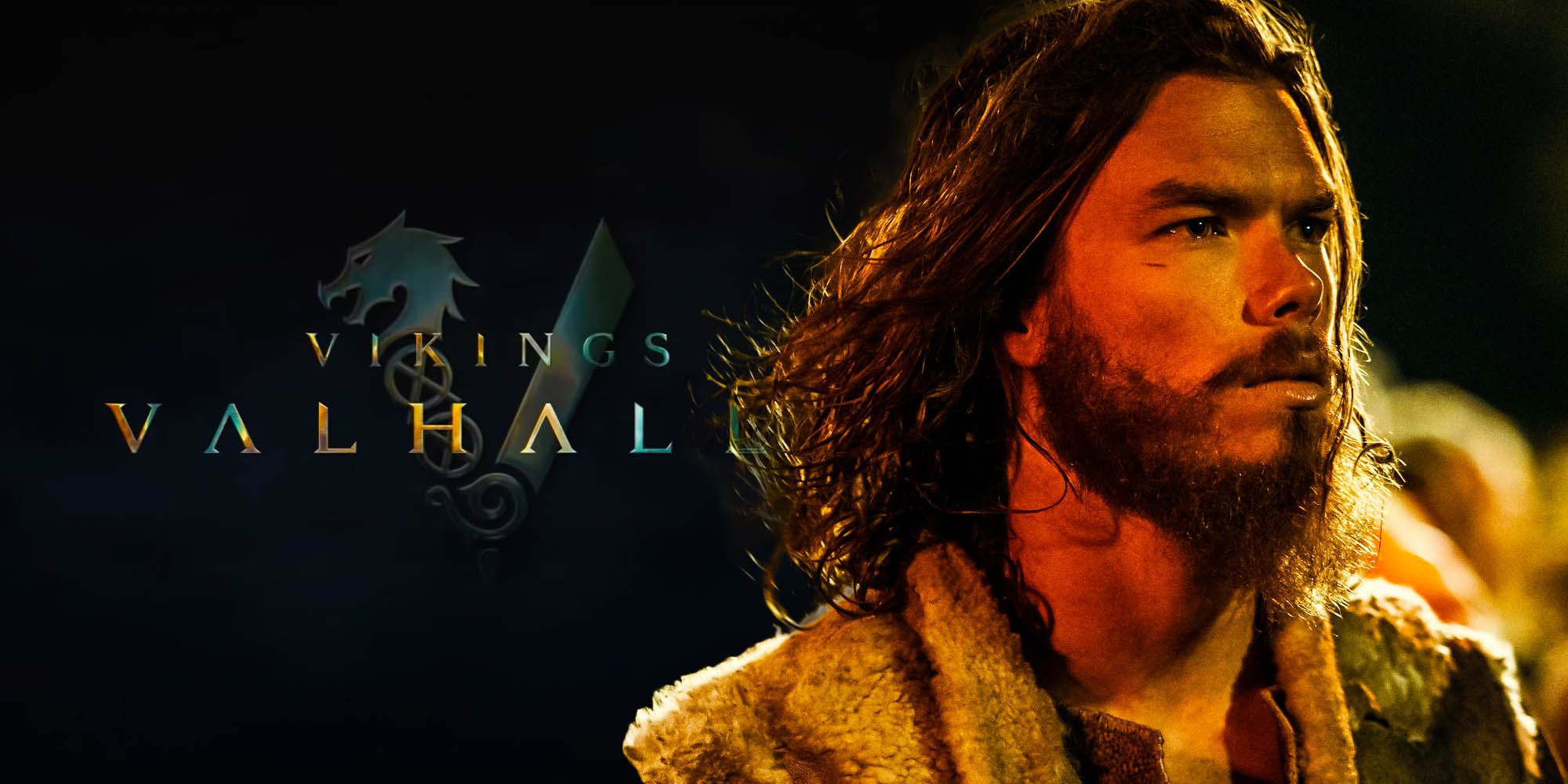
The world of Vikings will continue expanding with the sequel series Vikings: Valhalla, but what does the title really mean? Historical drama has become one of the most popular genres on TV, and among the most successful projects in recent years is Vikings, created by Michael Hirst (The Tudors). Although it was originally planned to be a miniseries, the first episodes of Vikings were so well-received by both critics and viewers that it was quickly renewed for a second season, and it lived on for a total of six seasons, coming to an end in December 2020.
Vikings covered the first years of the Viking Age, from the Lindisfarne raid (as seen in season 1) onward, and the main focus of the first seasons was legendary Norse figure Ragnar Lothbrok (Travis Fimmel) and his travels and raids alongside his Viking brothers. However, as the series progressed, it changed its focus to Ragnar’s sons (Björn, Ubbe, Hvitserk, Sigurd, and Ivar), who ended up becoming the protagonists of the show, carrying the story after Ragnar’s death in season 4. The final season of Vikings brought the arcs of its main characters to an end, but the stories from the Viking Age don’t end there, and a spinoff series, titled Vikings: Valhalla, will be released on Netflix in 2022.
Vikings: Valhalla is set a century after the events of Vikings, so characters from the main series won’t appear (unless in flashbacks), yet there will be connections between the characters of both shows. Now, while Vikings covered the beginning of the Viking Age, Valhalla will explore the final years of it, focusing on different stories that will eventually converge. Following the death of King Edward the Confessor, three lords make claim to the English throne, and meanwhile, Leif Erikson (Sam Corlett) leads Greenlanders across the North Atlantic. His half-sister, Freydís Eiríksdóttir (Frida Gustavsson), has become an anti-Christian following a traumatic event and becomes the leader of the Old Norse religion against rising Christianity in Scandinavia, and starts looking for a new home for her people. Now, “Valhalla” isn’t a new name for fans of Vikings, but it being the title of the spinoff series has surely raised some questions about what it really means for the show.
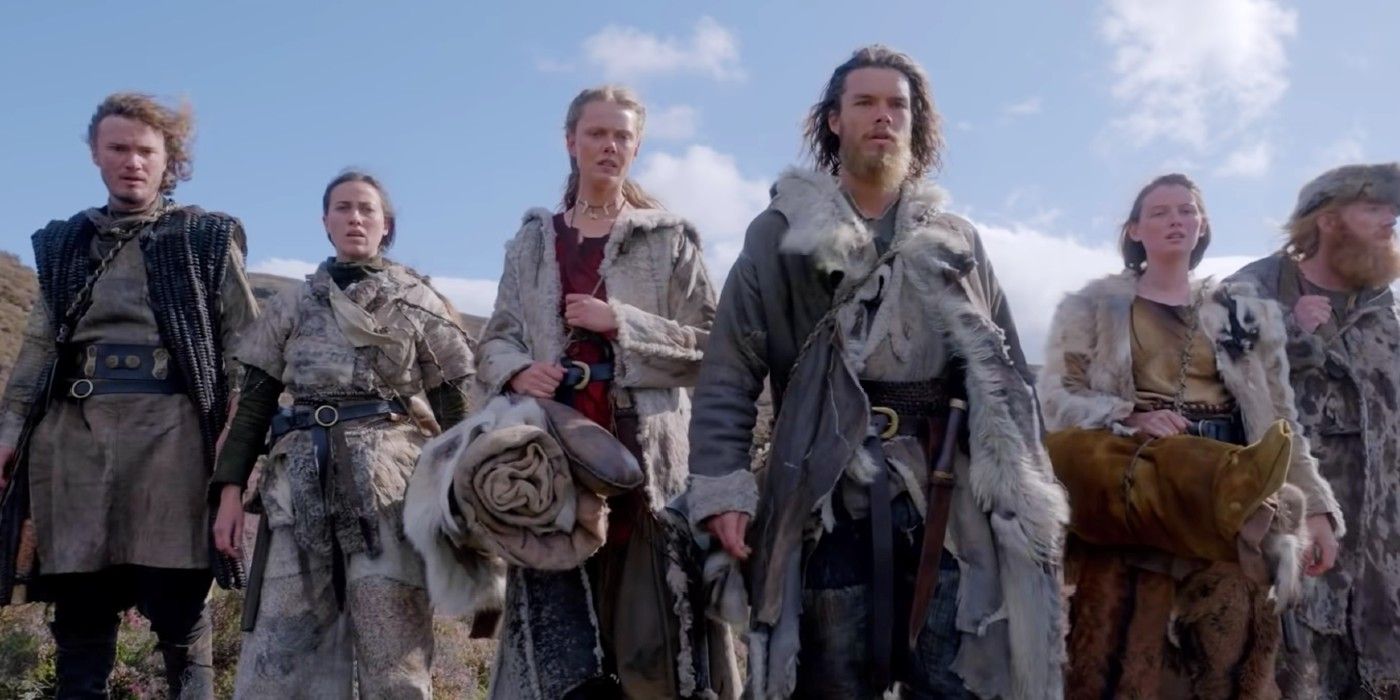
In Norse mythology, Valhalla is a majestic and enormous hall in Asgard ruled by Odin. Before the hall, there’s the golden tree Glasir and the hall’s ceiling is thatched with golden shields, but not everyone can have the privilege of seeing these and entering Valhalla. Only those who die in combat and are chosen by Odin can travel to Valhalla led by the valkyries, while the others go to Freyja’s field Fólkvangr. Once in Valhalla, the dead warriors join the rest as they prepare to aid Odin during the events of Ragnarök (the equivalent to the end of the world). With that in mind, and taking into account that Vikings: Valhalla will cover the final years of the Viking Age (and possibly the battle that ended it), the title is very fitting, as many warriors will make their way to the great hall and join Odin’s army. The topic of Christianity vs Paganism might also be reflected in the title, as their different ideas and concepts of the afterlife and more will surely clash at some point, even more than they did in Vikings.
With the final years of the Viking Age and thus the final battles being shown in Vikings: Valhalla, the series will see the last Viking warriors that will enter Valhalla, joining many others before them, including Lagertha, Björn, Ivar, and quite possibly Ragnar as well, so the title takes a lot more meaning. Vikings: Valhalla already has some connections to the main series, and there could be more through Valhalla and the characters who made their way to the great hall.
from TechCrunch https://ift.tt/3iNxL75
via IFTTT
Comments
Post a Comment