Welcome back to This Week in Apps, the Extra Crunch series that recaps the latest OS news, the applications they support, and the money that flows through it all. What are developers talking about? What do app publishers and marketers need to know? How are politics impacting the App Store and app businesses? And which apps are everyone using?
This week, we’re looking at several major stories, including the whopping $4 billion PayPal just spent on browser extension and mobile app maker, Honey, as well as the release of the Apple Developer app, a new plan for iOS 14, Google Stadia’s launch, AR gaming’s next big hit (or flop?), e-commerce app trends, Microsoft’s exit from voice assistant mobile apps, and so much more.
Plus, did you hear the one about the developer who got kicked out from his developer account by Apple, leaving his apps abandoned?
Headlines
Apple to overhaul iOS development strategy after buggy iOS 13 launch
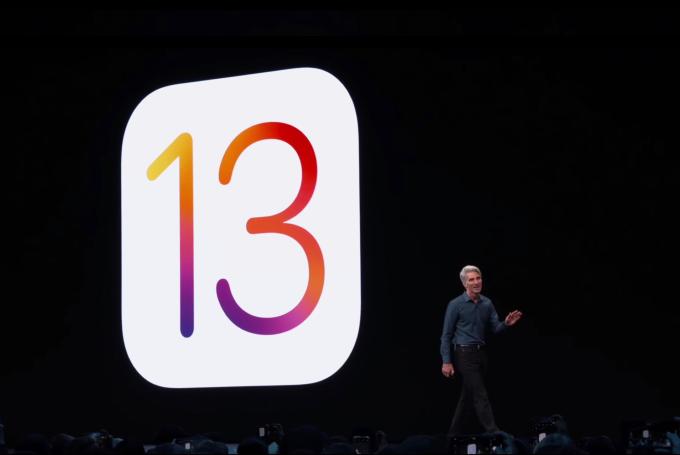 Apple’s iOS 13 release was one of its worst, in terms of bugs and glitches. Now Apple is making an internal change to how it approaches software development in an effort to address the problem. According to Bloomberg, Apple’s Software chief Craig Federighi and other execs announced its plans at an internal meeting. The new process will involve having unfinished and buggy features disabled by default in daily builds. Testers will then have to optionally enable the features in order to try them. While this change focuses on making internal builds of the OS more usable (or “livable”), Apple hopes that over time it will improve the overall quality of its software as it will give testers the ability to really understand what’s supposed to now be working, but isn’t. The testing changes will also apply to iPadOS, watchOS, tvOS, and macOS, the report said.
Apple launches the Apple Developer App
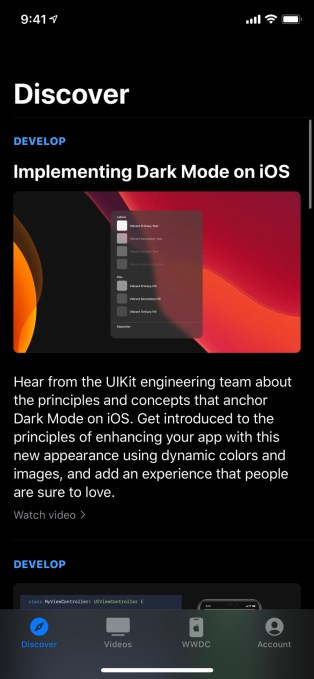 Apple rebranded and expanded its existing WWDC app to become a new Apple Developer app that can stay with its 23 million registered developers year-round. Instead of only including information about the developer event itself, the app will expand to include other relevant resources — like technical and design articles, developer news and updates, videos and more. It also will offer a way for developers to enroll in the Apple Developer program and maintain their membership. Apple says it found many developers were more inclined to open an app than an email, and by centralizing this information in one place, it could more efficiently and seamlessly deliver new information and other resources to its community.
PayPal buys Honey for $4 billion
PayPal has made its biggest-ever acquisition for browser extension and mobile app maker, Honey. TechCrunch exclusively broke the news of the nearly all-cash deal, noting that Honey currently has 17 million monthly actives. But PayPal was interested in more than the user base — it wanted the tech. The company plans to insert itself ahead of the checkout screen by getting involved with the online shopping and research process, where customers visit sites and look for deals. Honey’s offer-finding features from its mobile app will also become part of PayPal and Venmo’s apps in the future.
Cloud gaming expands with Google Stadia launch
Cloud-based gaming could benefit from the growing investment in 5G. Google Stadia, which launched this week, is a big bet on 5G in that regard. Though the early reviews were middling, Google believes the next generation of gaming will involve continuous, cross-device play, including on mobile devices. This trend was already apparent with the successes of cross-platform games like Fortnite, Minecraft, Roblox, and PUBG, for example. Meanwhile, console makers like Microsoft are working to build out their own cloud infrastructure to compete. (Microsoft’s xCloud launches in May 2020.) Google could have a head start, even if Stadia today feels more like a beta than a finished product. But one question that still arises is whether Google is serious about gaming, or only sees Stadia as a content engine for YouTube?
Microsoft kills Cortana mobile apps
 Microsoft this week belatedly realized it can’t compete with the built-in advantages that Siri and Google Assistant offer users, like dedicated buttons, hands-free voice commands, workflow building and more. The company decided to shut down its Cortana mobile applications on iOS and Android in a number of markets, including Great Britain, Australia, Germany, Mexico, China, Spain, Canada, and India. Any bets on when the U.S. makes that list?
SF Symbols expands
from TechCrunch https://ift.tt/2reXpcR
via IFTTT
Comments
Post a Comment