U.K.-based cultivated meat startup Higher Steaks has raised $30 million in a Series A round of funding and revealed that it’s changing its name to Uncommon.
Founded out of Cambridge in 2017, Uncommon is one of countless companies pushing to make cultured “lab-grown” meat a reality in kitchens and restaurants around the globe, covering everything from synthetic sausages and bogus burgers to pseudo-seafood. Uncommon, for its part, is mostly focused on the $250 billion global pork market, developing bacon and pork belly products.
Hurdles
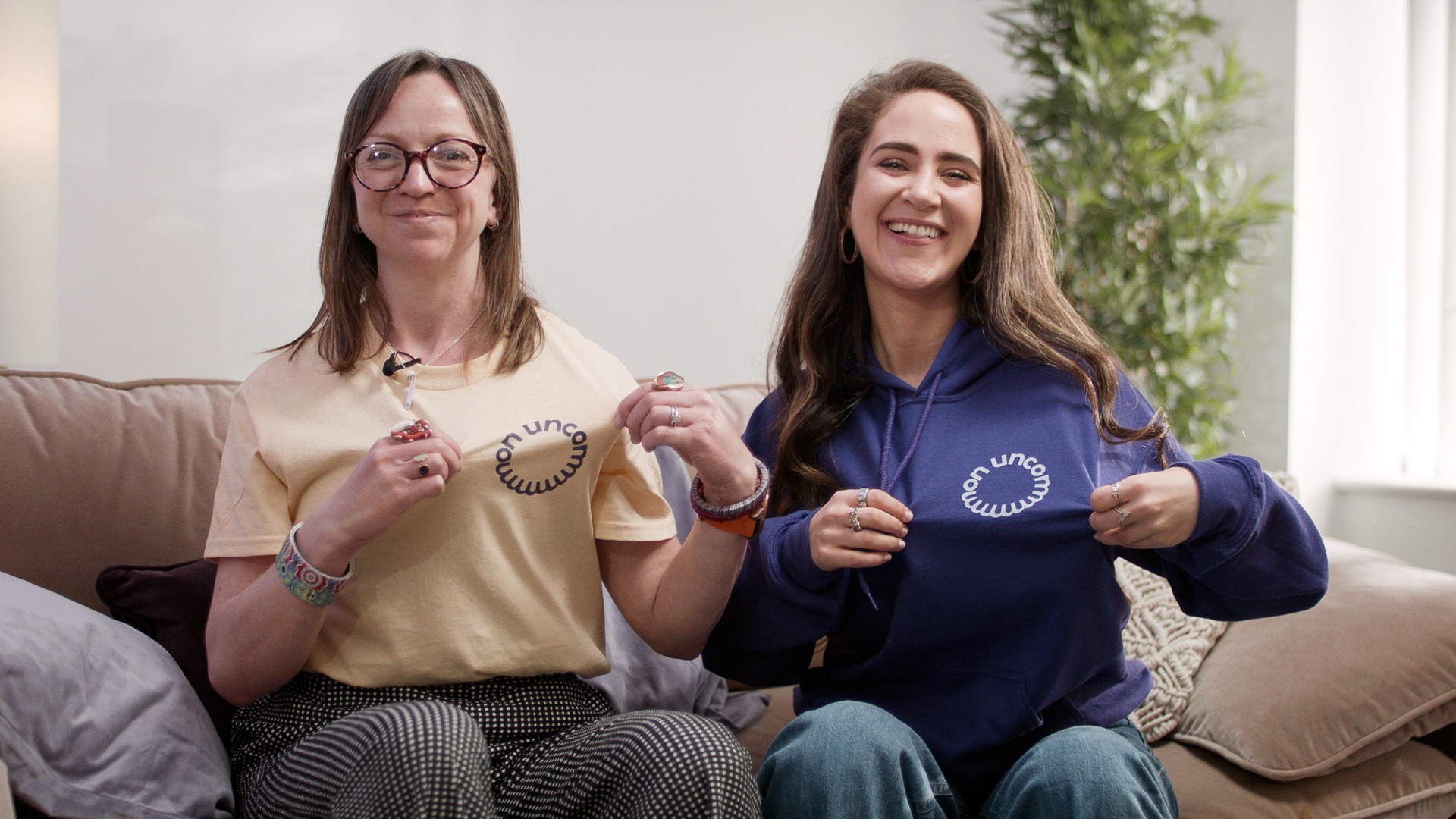
Uncommon founders: Chief science officer Dr. Ruth Faram with CEO Benjamina Bollag Image Credits: Uncommon
Regulatory hurdles has meant that meat made from animal cells in a test tube have been slow to gain a foothold, with Singapore currently the only market in the world where cultured meat is available for sale. The Food and Drug Association (FDA) in the U.S. also recently started rubberstamping such edibles as being safe for human consumption.
Some countries, though, are pushing back against the burgeoning fake-meat revolution, including Italy which is mulling an outright ban on lab-developed food to safeguard its culinary heritage.
But another longstanding challenge of bringing cultivated meat to market has been scalability. Being able to produce large enough quantities of cultured meat at a low enough price is problematic, with some companies pursuing a hybrid lab-grown meat / plant-based protein approach to get their products to market faster.
Uncommon, though, says it’s using a technique involving a polymeric molecule called RNA (ribonucleic acid), or more specifically mRNA, which essentially contains “instructions” that enable cells to make proteins from its own internal functions.
“This also means that Uncommon can create real meat without using genetic engineering,” Uncommon co-founder and CEO Benjamina Bollag told TechCrunch. “With countries becoming increasingly against genetically engineered food, Uncommon hopes that this means it can scale its cultivated meat across the world with regulatory challenges.”
Moreover, Bollag says that it’s using this patent-pending technique to help bring cultivated meat closer to price parity with traditional meat.
“With this method, it’s also possible to more directly target muscle and fat regulators in the cells when compared to growth factors and small molecules, in a similar fashion as gene editing,” Bollag said. “This in turn reduces the quantity of raw materials needed, which makes it possible to scale the process at a reduced cost compared to using genetic engineering.”
Uncommon’s $30 million Series A round was led by London-based Balderton Capital and New York’s Lowercarbon Capital, with participation from a number institutional and angel investors including OpenAI’s Sam Altman and his brother Max. The company said that it plans to use its fresh cash injection to scale up production and kickstart its regulatory approval process in Europe and Singapore, while keeping a “close eye” on the U.S. market.
“Singapore is likely to receive the approval first as it is the most developed ecosystem for cultivated meat, with other markets to follow,” Bollag said, though with little indication as to when commercialization might being. “We will be starting with high-end restaurants first before moving to supermarkets.”
Cultured meat startup Higher Steaks nabs $30M and rebrands as Uncommon by Paul Sawers originally published on TechCrunch
source https://techcrunch.com/2023/06/08/higher-steaks-rebrands-as-uncommon-and-nabs-30m/
Comments
Post a Comment