We’re all pretty bored of plastic or aluminum capsules for coffee-making, and I guess buying pre-ground coffee, a beans-to-cup machine or just grinding your own beans is too much work for some folks. Swiss coffee brand Migros has launched the CoffeeB machine, which uses Coffee Balls instead of traditional capsules. It wants to carve out a space between the convenience of capsules and the green factor that the grind-your-own crowd has gotten used to.
The Coffee Ball is part of a new coffee capsule system — the first of its kind — that works entirely without capsules and generates zero waste. The company claims it is “revolutionizing an industry plagued by colossal waste,” and claims that capsule-coffee drinkers produce 100,000 tons of waste globally every year. Some pods are indeed recyclable or biodegradable, but most of them still end up in the trash.
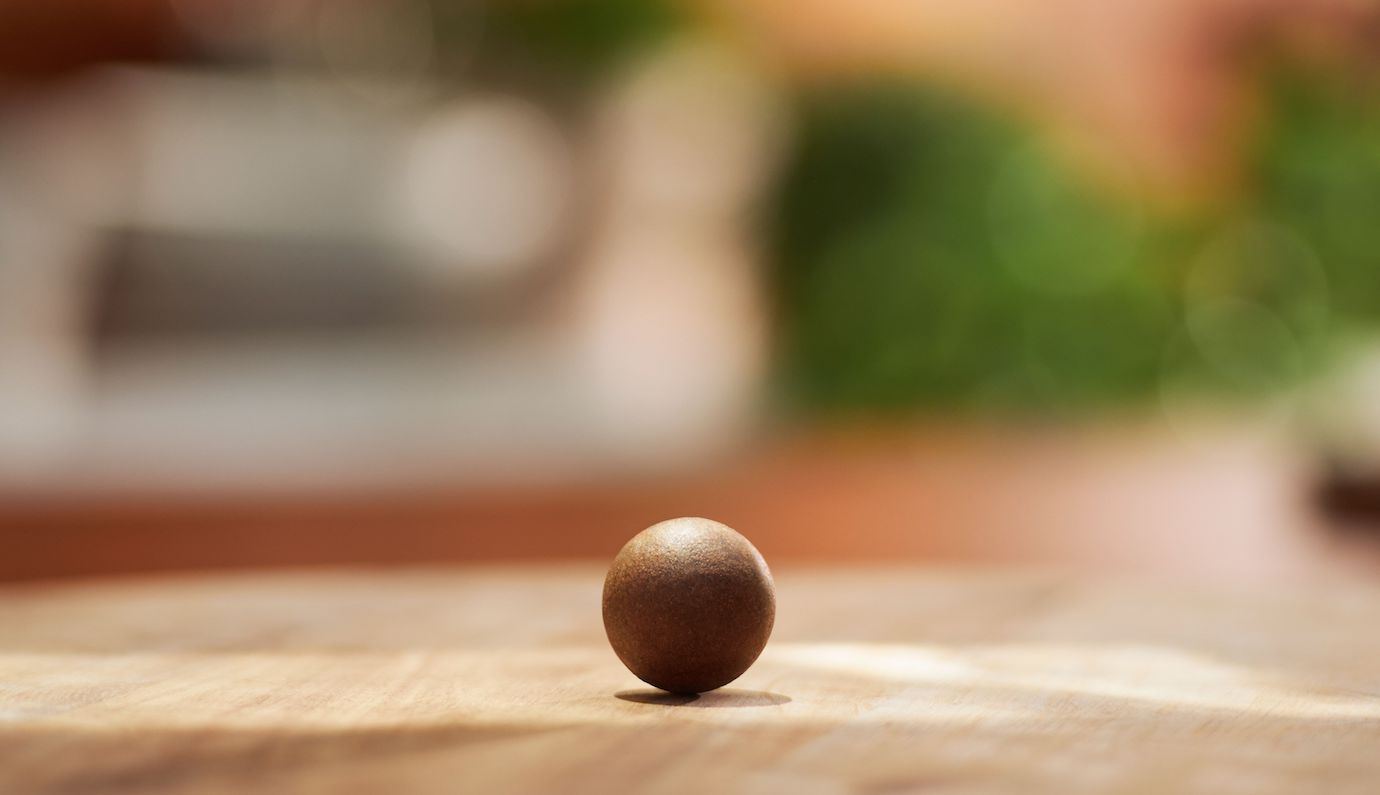
I’ll give them credit for one thing: That’s some delightfully hipster photography you’ve got there, Migros. Image Credits: Migros
“The next generation of capsule coffee is here, and it comes without a capsule,” says CoffeeB’s Dr. Caroline Siefarth, who helped develop the system. “After half a decade of research, we’ve created CoffeeB, which will revolutionize the way the world drinks single-serve coffee.”
The party trick for CoffeeB is to compress the coffee balls into a tasteless, colorless, seaweed-based layer that gives the coffee structure and protects it from flavor loss. It means that the coffee capsule itself is fully compostable.
Of course, CoffeeB is the only company making these capsules, and while they are releasing eight different blends from day one (“from balanced lungos to punchy espressos”), I’m still a bit “meh” on the whole concept. My fear is that, if the launch only goes so-so, there are a bunch of shiny new machines out there that people no longer can buy coffee for. Two guesses re: where those machines end up? Yep, in the same landfill that the company has so gleefully tried to keep capsule-free.
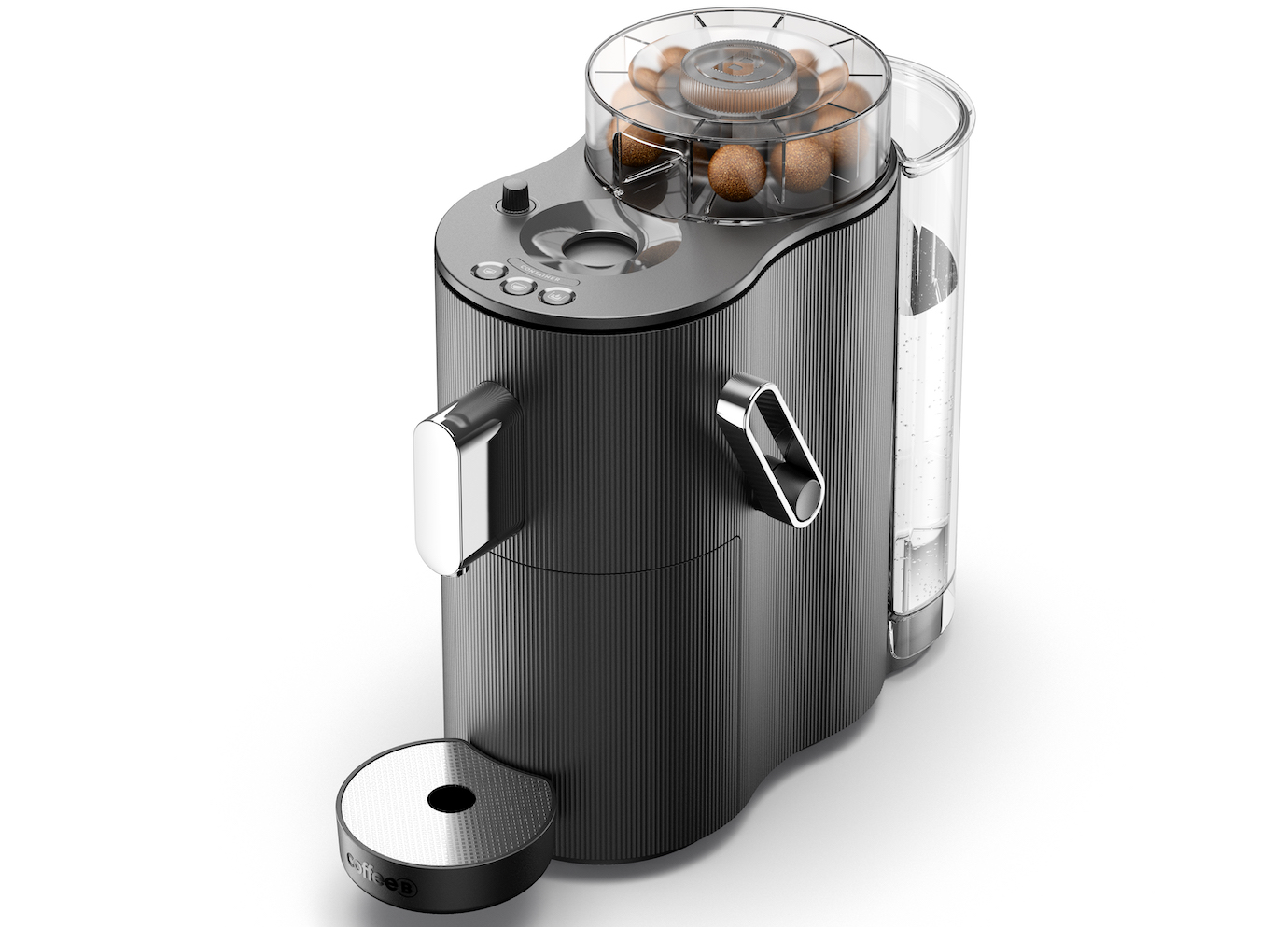
Great balls of caffeine. Image Credits: Migros
For now, the machine is available in Switzerland only, and costs a pretty reasonable $175 (CHF 169). A pack of nine coffee balls costs around $5, which seems roughly in line with other pod-based systems.
The main reason I decided to cover these machines is that it shows that rethinking how we do things can give the environment a bit of a breather. Better design, with the environment at heart, is going to be a big piece of the puzzle toward staving off a climate crisis.
I’ve got to say, though: We live in a world where bean-to-cup machines exist, and we’re not exactly short of coffee beans in the world, ranging from the dirt-cheap big-box-store variety, to specialty hipster coffee shops, to the ability to roast your own, if you really want to control every aspect of your caffeine jolt. Beans need less processing and fewer manufacturing tricks (not to mention, we’re not adding seaweed to the mix), it seems like we already had a green solution and that educating coffee drinkers (or, perhaps, making sure that people pay the “green fee” for using plastic or metal capsules) would be a better solution.
This coffee machine wants to make capsules a thing of the past by Haje Jan Kamps originally published on TechCrunch
from TechCrunch https://ift.tt/mzO1TfK
via IFTTT
Comments
Post a Comment