Hardware startup Level introduced their first product earlier this year, and now they’re already following it up with a brand new smart lock. The original Level Lock broke new ground in the smart lock category with an invisible design that works with a range of standard doors and existing deadbolt external hardware, but the new Level Touch is the full package, with Level’s own thumb-turn and exterior key plate – and upgraded internals that add new smart capabilities into the mix.
The new Level Touch is available starting today direct fro Level’s own website, and is priced at $329. For that, you get a smart lock that comes in a range of finishes, including Satin Chrome, Satin Nickel, Polished Brass and Matte Black, and that includes smartphone control for lock and unlock, along with optional automatic geofenced unlocking, touch to lock/unlock, and programmable NFC-based keys that allow you to easily grant and revoke access on demand.
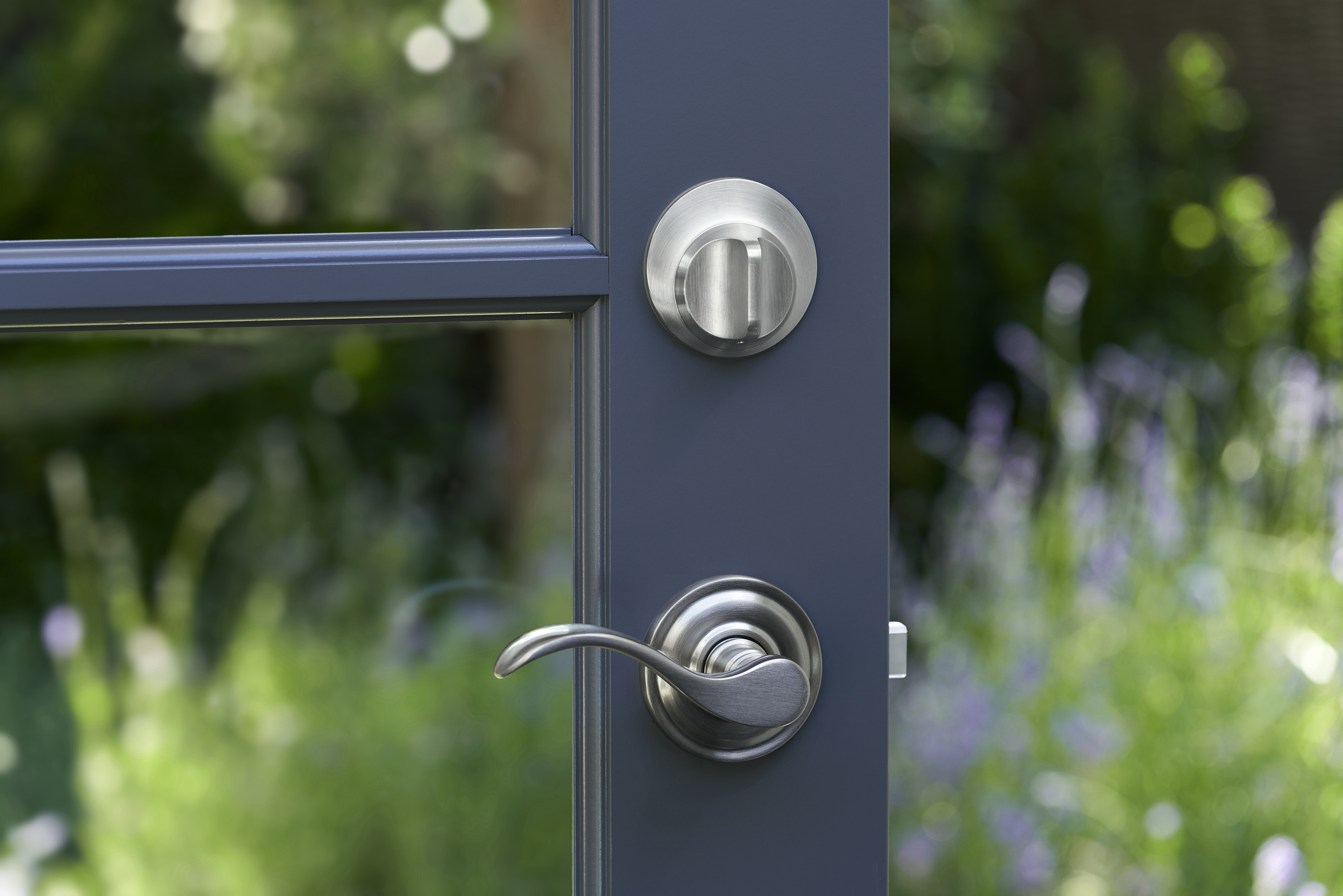
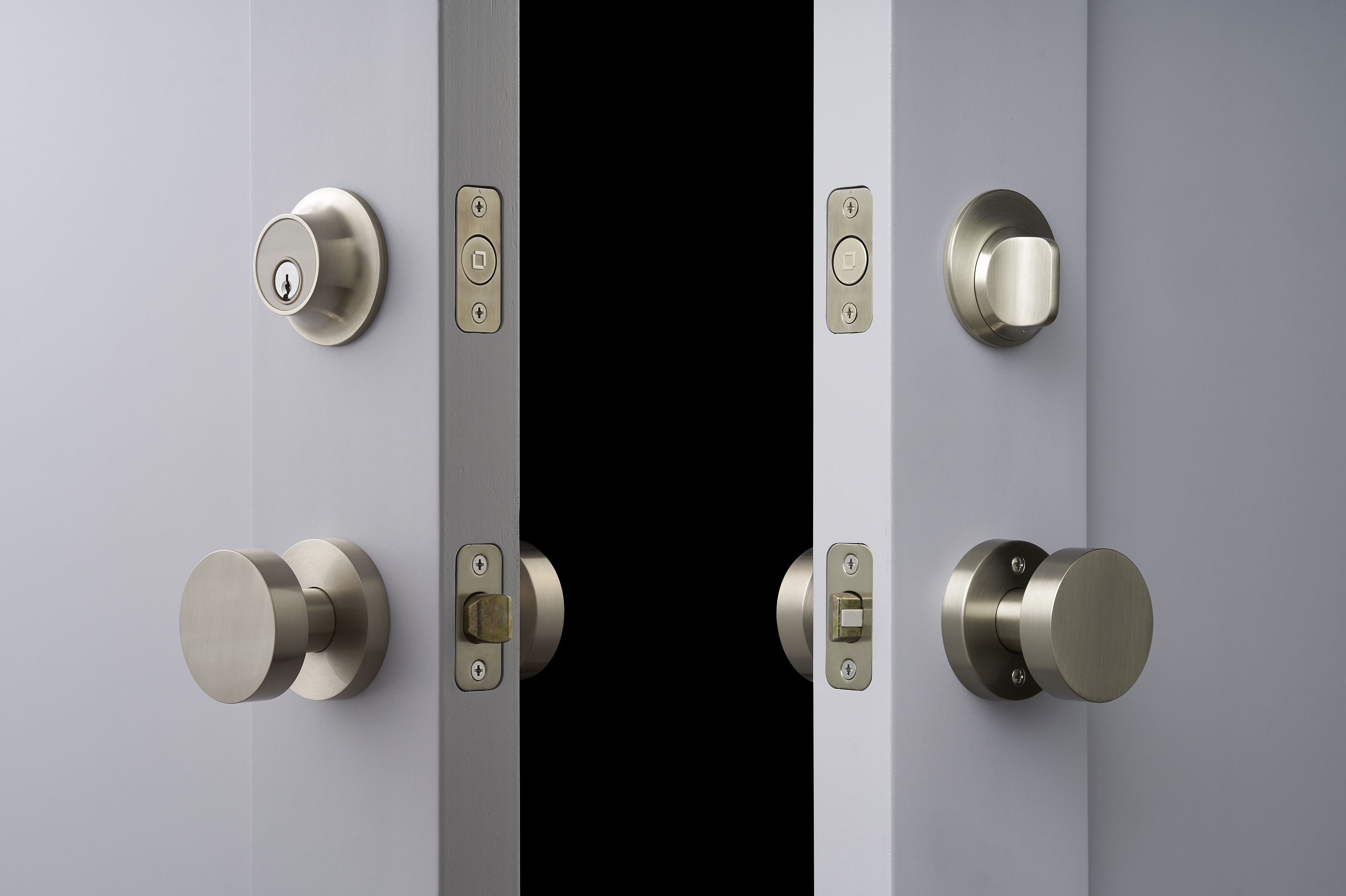 Level’s ex-Apple team hardware design chops are on full display with this new product. The outside design is definitely the most sleek and subtle smart lock you can find on the market – lacking even Level’s own branding, except for the smartly placed logo on the very end of the deadbolt itself (which doubles as the CR2 battery compartment for the lock, by the way). It’s a fantastic-looking product that should blend seamlessly into any decor, thanks to the various finishing options.
This is a huge improvement over most smart locks, which wear their smarts on their sleeve either with huge keypads, or bulky turners that house all the intelligent components. Level’s approach here builds on what it created with the Level Lock, housing smarts inside the door – but adds new capacitive surfaces that make the entire lock touch-sensitive for added convenience features. You can touch to lock, for instance, which makes it really easy to lock your door on the way out, and set it to touch to unlock when you have your smartphone in your pocket for added peace-of-mind.
 In the box, you’ll also find two NFC-enabled keycards that can be programmed with access to your Level Touch (or more than one). Programming them is as easy as tapping your phone to the cards when directed to do so in the Level app, and you can revoke access to the cards remotely at any time if you need to. The built-in NFC in the locks can work with any programmable NFC device, so you can create your own keys using the readily available, inexpensive tags that you can pick up from Amazon, too.
Level says you’ll get over a year of battery life out of a single standard CR2 battery, and installation requires just one Phillips-head screwdriver. It’s also HomeKit enabled for Siri voice control and other smart home automation features.
We’ll be taking the Level Touch for a test ride to see if it lives up to how good it looks on paper, but this is a hardware startup that’s clearly thinking deeply about how to better integrate smart home devices into our daily lives.


from TechCrunch https://ift.tt/3aVjNuL
via IFTTT
Comments
Post a Comment