This week could be the biggest week to date for private spaceflight, with landmark launch attempts coming from both Virgin Orbit and SpaceX.
Virgin Orbit is looking to join the elite club of private launch companies that have actually made it to space, with a full flight test of its combined Cosmic Girl and LauncherOne system. Meanwhile, SpaceX is looking to launch its Crew Dragon spacecraft with people on board – achieving a number of milestones, including returning U.S. crew launch capabilities, and human-rating its Falcon 9 rocket.
Here’s what Virgin Orbit hopes their first flight will do
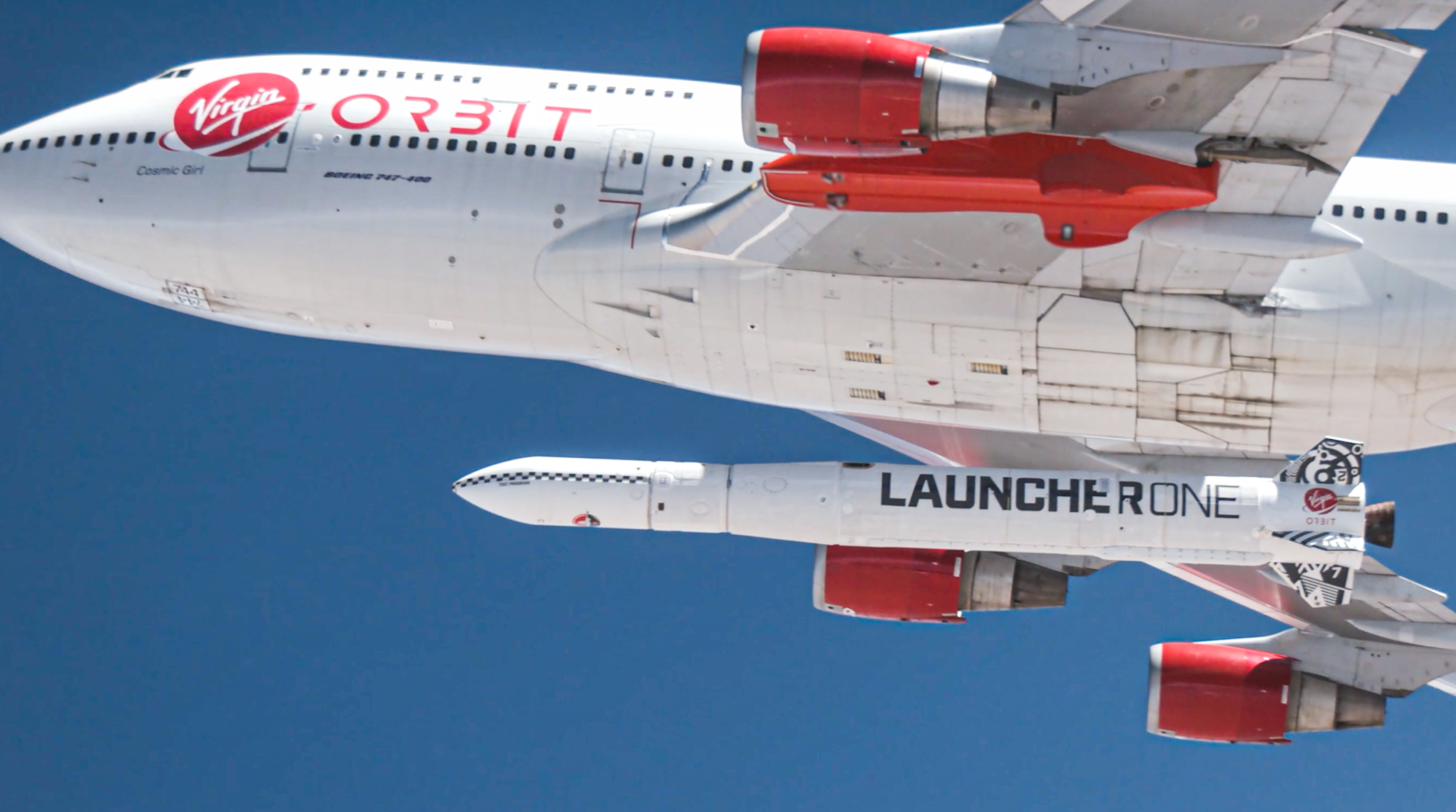 Virgin Orbit was supposed to launch its first full demonstration flight on Sunday, but a sensor bug that showed up during pre-launch checkouts means that it’s now pushing things back to at least Monday to check that out.
Extra precaution is hardly surprising since this milestone mission could help the company become an operational satellite launch provider – one of only a small handful of private companies that can make that claim.
SpaceX cleared to proceed for historic crew flight Wednesday
SpaceX passed its first crucial flight readiness review (FRR) on Friday for its first ever crewed astronaut launch, setting it up for a full rehearsal of the mission on Saturday leading up to the actual launch Now it’s set for another FRR with partner NASA on Monday, and then the launch should take place on Wednesday – weather and checkouts permitting. This will definitely be one to watch.
MHI retires a space workhorse
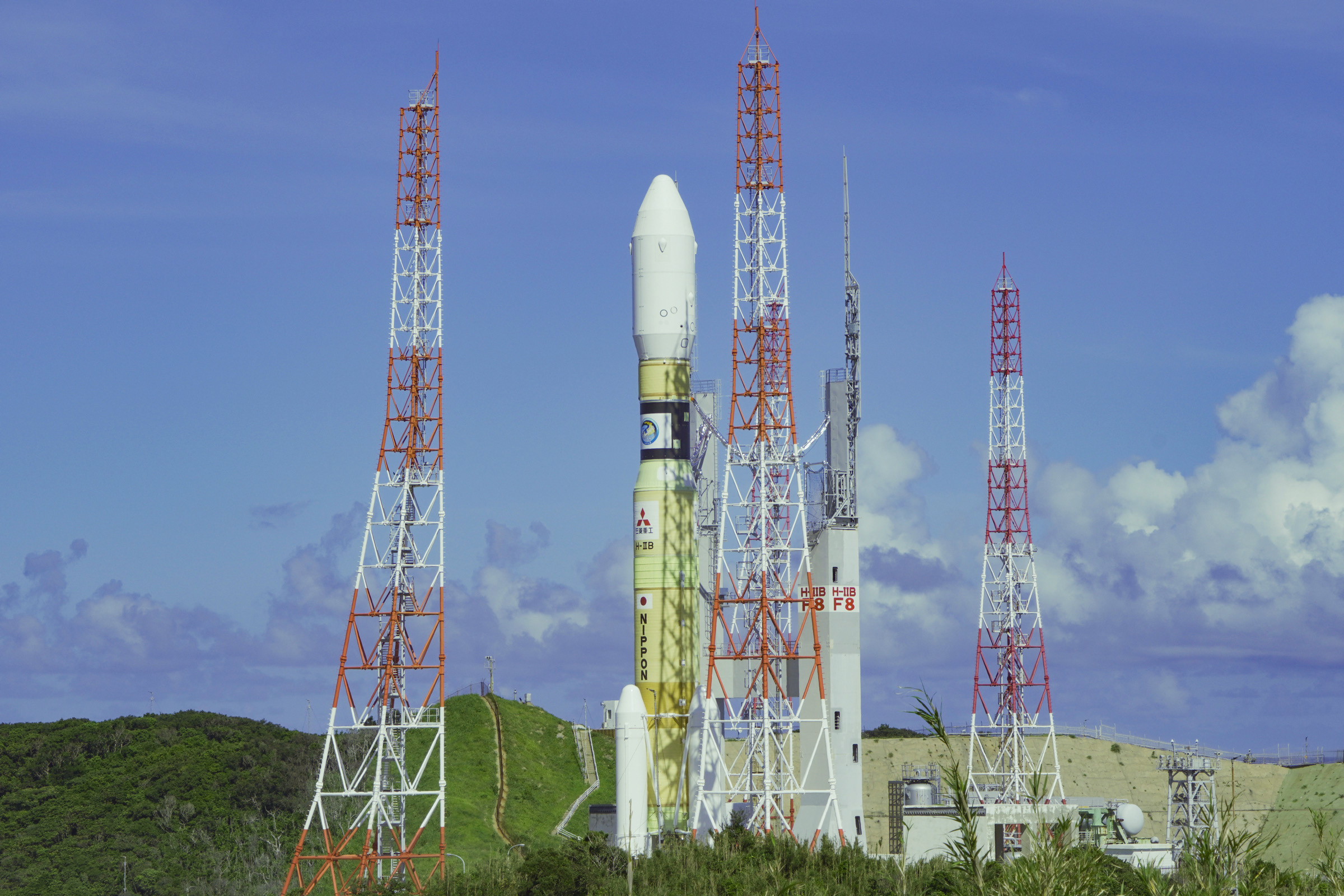
Mitsubishi Heavy Industries flew its last mission with its H-II series rocket, and the space transfer vehicle it carries to deliver supplies to the International Space Station. The company is readying a successor to this highly successful and consistent rocket, the H3, which is set to make its launch debut sometime in 2022 if all goes to plan.
NASA human spaceflight chief abruptly resigns
While SpaceX is aiming to make history with NASA and two of its astronauts, the person in charge of the agency’s human spaceflight endeavors made a surprising and abrupt exit from the agency last week. Doug Loverro resigned from his position, reportedly over some kind of inappropriate activity he engaged in with a prospective agency business partner ahead of the contract awards for NASA’s commercial human lander program.
Xilinx debuts a new chip made for machine learning in space
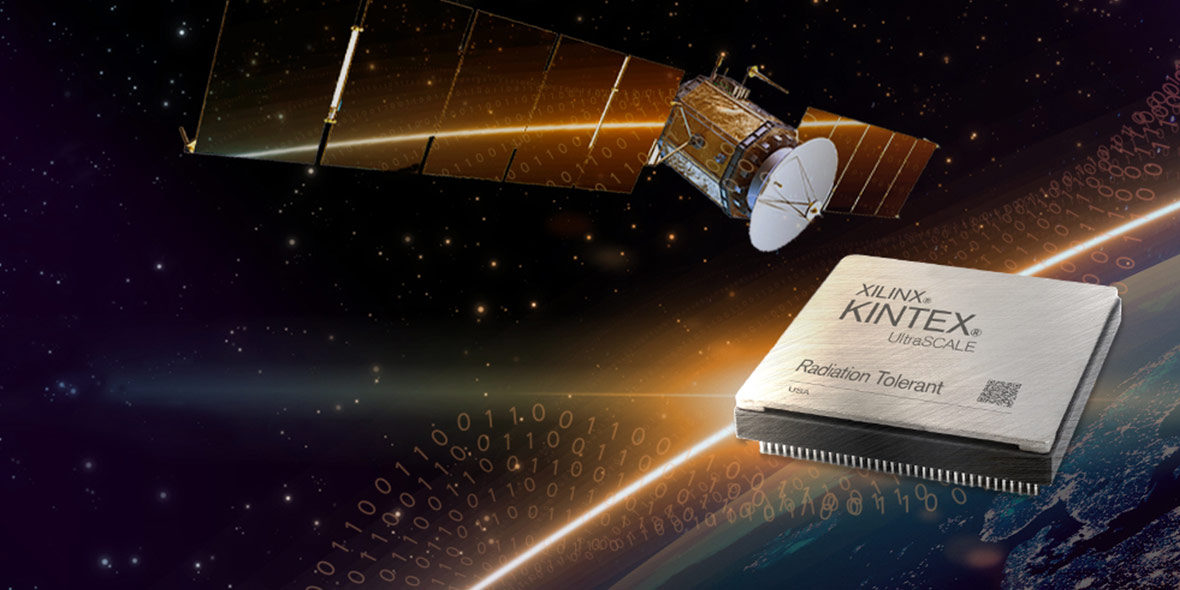 Xilinx specializes in building processors that are designed to withstand the rigors of use in space, which include heavy radiation exposure, extreme temperatures and plenty more. The company just debuted a new FPGA for space-based applications that is the first 20nm-based processor for space, and the first with dedicated machine-learning capabilities built in for edge computing that truly redefines the term.
NASA’s ‘Artemis Accords’ look to redefine international space cooperation
Space has enjoyed a period of being relatively uncontested when it comes to international squabbles – mostly because it’s hard and expensive to reach, and the benefits of doing so weren’t exactly clear 30 to 40 years ago when most of those rules were set up. NASA’s new rules include a lot of the old ones, but also set up some modernizations that are sure to begin a lot of debate and discussion in the space policy community.
ULA launches first U.S. Space Force spaceplane mission
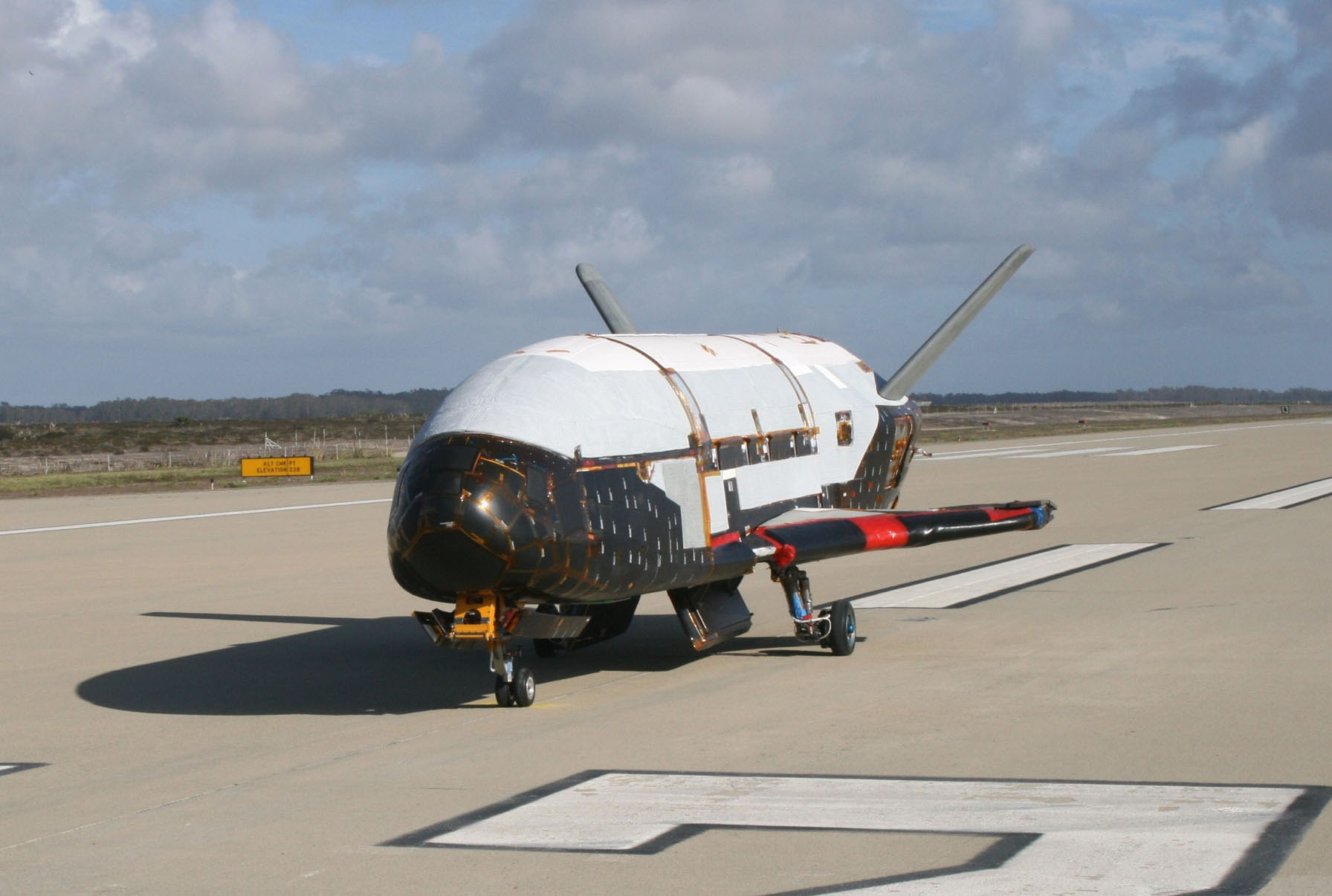
In a testing procedure, the X-37B Orbital Test Vehicle taxis on the flightline March 30, 2010, at the Astrotech facility in Titusville, FLa. (Courtesy photo)
The United Launch Alliance launched the X-37B last week on behalf of the U.S. Space Force – marking the first time the mysterious experimental unscrewed space plane has launched for that newly-formed agency. The X-37B has flown plenty before, of course – but previously it was doing so under the authority of the U.S. Air Force, since the Space Force hadn’t been formed yet.


from TechCrunch https://ift.tt/2zwgonN
via IFTTT
Comments
Post a Comment