
Uber commits $10 million to sustainable transportation

Uber is putting $10 million behind sustainable transportation over the next three years. As part of the fund, Uber is donating $250,000 to SharedStreets, a non-profit organization focused on creating a shared standard for public streets and data sharing. Lyft, also in the name of environmental impact, invested millions of dollars in carbon offsets earlier this year.

This comes a few months after Uber announced its plans to work with SharedStreets in Washington, D.C. to collect and share transportation data. At the time, Uber CEO Dara Khosrowshahi explained the plan was to launch a pilot to share data on curb usage across all models of transportation, and eventually partner with other cities around data.

Uber also intends to put that money — $1 million of it, to be exact — toward campaigning for a congestion pricing campaign in New York City, and pushing for a policy “that moves us to a more sustainable future,” Uber Head of Transportation Policy Andrew Salzberg told TechCrunch.

In a blog post, Khosrowshahi said Uber is willing to help cities tackle congestion, “even if that means paying money out of our own pocket to pass a tax on our core business.”

On the bike front, Uber is funding PeopleForBikes, a coalition of bicycling suppliers and retailers. Separate from the $10 million commitment, Uber has launched electric bike charging stations in Sacramento, Calif. Even though Uber-owned JUMP bikes are dockless, they still need to be charged.
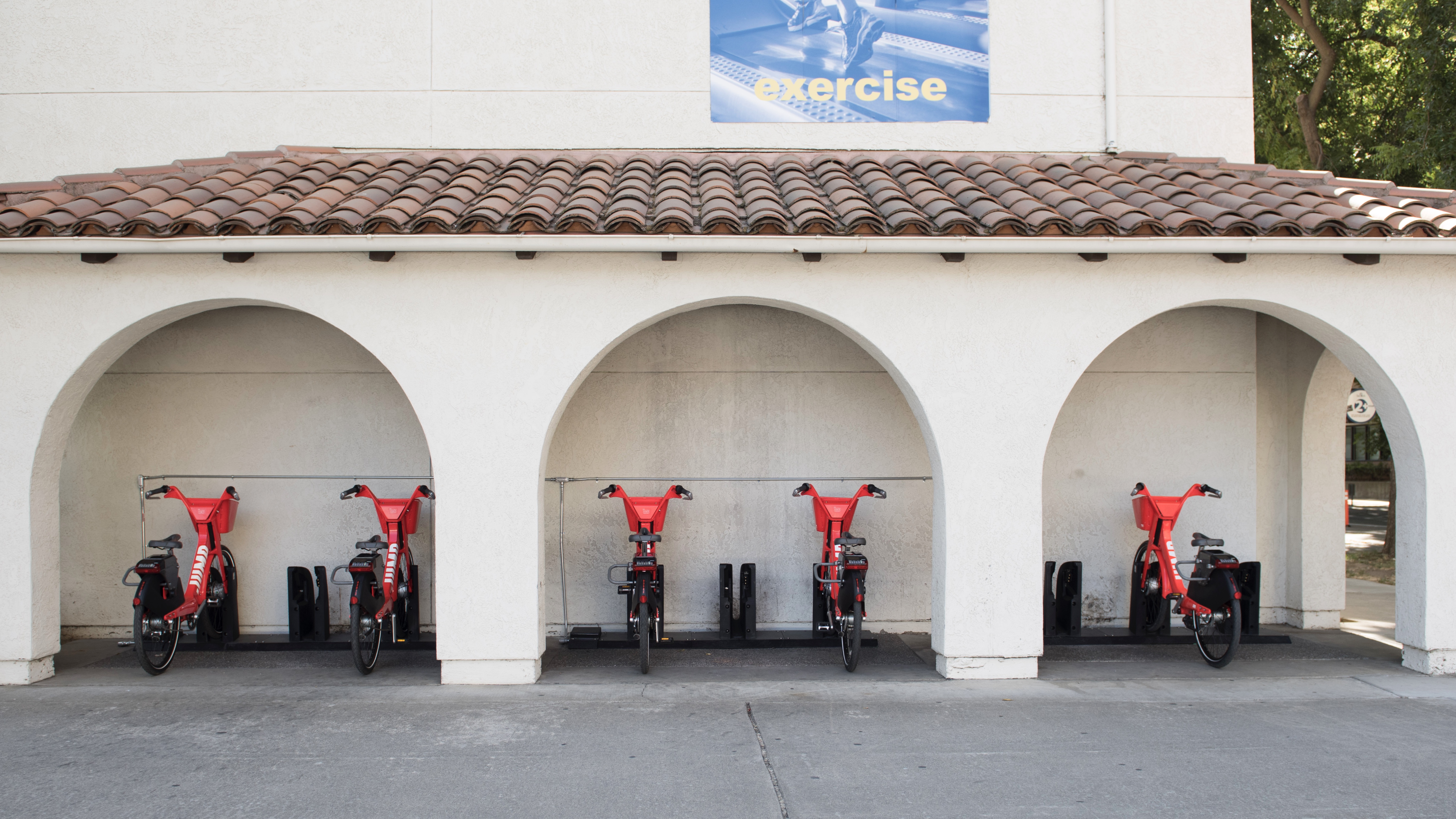
“We need to find a way to make charging easy and accessible,” Salzberg said. “The idea is to make charging easier and keep more bikes on the road.”

In Sacramento, there are already 50 chargers on the ground. The goal is to get 300 installed by the end of the year, across 35 locations.

Up until today, Uber had been working behind the scenes with Fehr & Peers, a transportation consultant, to outline suggestions for how cites can better utilize curb space. The firm went as far to develop a curb productivity index that calculates the amount of people using a curb per hour, per 20 feet of curb, which is about the size of a parking space.
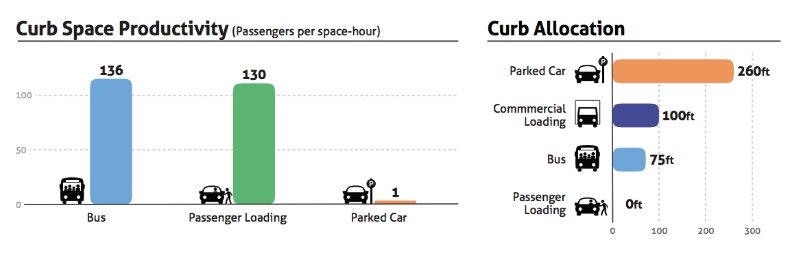
The firm’s findings and suggestions were based on San Francisco, where Uber says it has “had a decent number of conversations with over curb space,” Salzberg said, adding that “there’s nothing to specifically announce that’s going to be actionable.”
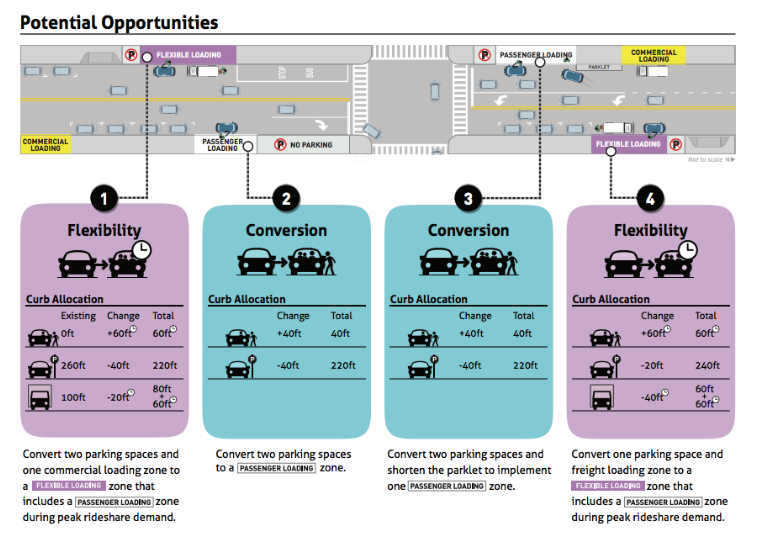
With this current report, Salzberg says the idea is for it to act as a resource for all cities — not just for San Francisco.

“Yeah, it’s about San Francisco but the purpose is to have something that’s reference-able,” he said. “It’s obviously only one small step.”

Whether or not cities get on board with this plan is another story for another day.


from TechCrunch https://ift.tt/2OcU0oM
via IFTTT

Comments

Popular posts from this blog

The Silent Revolution of On-Device AI: Why the Cloud Is No Longer King

Introduction For years, artificial intelligence has meant one thing: the cloud. Whether you’re asking ChatGPT a question, editing a photo with AI tools, or getting recommendations on Netflix — those decisions happen on distant servers, not your device. But that’s changing. Thanks to major advances in silicon, model compression, and memory architecture, AI is quietly migrating from giant data centres to the palm of your hand. Your phone, your laptop, your smartwatch — all are becoming AI engines in their own right. It’s a shift that redefines not just how AI works, but who controls it, how private it is, and what it can do for you. This article explores the rise of on-device AI — how it works, why it matters, and why the cloud’s days as the centre of the AI universe might be numbered. What Is On-Device AI? On-device AI refers to machine learning models that run locally on your smartphone, tablet, laptop, or edge device — without needing constant access to the cloud. In practi...

Apple’s AI Push: Everything We Know About Apple Intelligence So Far

Apple’s WWDC 2025 confirmed what many suspected: Apple is finally making a serious leap into artificial intelligence. Dubbed “Apple Intelligence,” the suite of AI-powered tools, enhancements, and integrations marks the company’s biggest software evolution in a decade. But unlike competitors racing to plug AI into everything, Apple is taking a slower, more deliberate approach — one rooted in privacy, on-device processing, and ecosystem synergy. If you’re wondering what Apple Intelligence actually is, how it works, and what it means for your iPhone, iPad, or Mac, you’re in the right place. This article breaks it all down.   What Is Apple Intelligence? Let’s get the terminology clear first. Apple Intelligence isn’t a product — it’s a platform. It’s not just a chatbot. It’s a system-wide integration of generative AI, machine learning, and personal context awareness, embedded across Apple’s OS platforms. Think of it as a foundational AI layer stitched into iOS 18, iPadOS 18, and m...

Max Q: Anomalous

Hello and welcome back to Max Q! Last week wasn’t the most successful for spaceflight missions. We’ll get into that a bit more below. In this issue: First up, a botched launch from Virgin Orbit… …followed by one from ABL Space Systems News from Rocket Lab, World View and more Virgin Orbit’s botched launch highlights shaky financial future After Virgin Orbit’s launch failure last Monday, during which the mission experienced an  “anomaly” that prevented the rocket from reaching orbit, I went back over the company’s financials — and things aren’t looking good. For Virgin Orbit, this year has likely been completely turned on its head. The company was aiming for three launches this year, but everything will remain grounded until the cause of the anomaly has been identified and resolved. It’s unclear how long that will take, but likely at least three months. Add this delay to Virgin’s dwindling cash reserves and you have a foundation that’s suddenly much shakier than before. ...