With $11 million in funding and a mission to open up the doors of regenerative therapies to dogs across the nation, the Los Angeles based startup Gallant is now opening its doors for the first time.
The company was founded by DogVacay founder and chief executive Aaron Hirschhorn after seeing his own pet’s struggle with debilitating illness and knowing firsthand that regenerative medicine and stem cell therapies could help.
“I struggled with debilitating chronic back pain for more than a decade, leaving me incapable of doing activities I loved, until regenerative medicine successfully cured my condition,” said Hirschhorn, in a statement. “At the same time, I watched my dog Rocky suffer from arthritis so painful that she couldn’t walk. I knew there had to be a better way to treat and heal our pets, which sparked the beginning of Gallant. We are on a mission to keep our pets happier and healthier through the power of regenerative medicine.”
Joining Hirschhorn at the company is Linda Black, an experienced serial entrepreneur at life sciences companies like Medicus Biosciences and SciStem, which both focused on developing regenerative therapies. Richard Jennings, the chief executive of cord blood banking company, California Cryobank, and Darryl Rawlings, the founder and chief executive of Trupanion, both sit on the company’s board of directors.
Hirschorn knows the pet business. He helped grow DogVacay to over $100 million in sales over his tenure at the company before its merger with Rover.
It’s that experience in business that likely helped investors including Maveron, Bold Capital Partners, Bling Capital, and Science Inc. come to the table and fetch $11 million in cash for the business.
Through the investment, Gallant was able to acquire the veterinary division of Cook-Regentec, including the animal medicine division’s intellectual property, existing stem cell banking operations and their pipeline of cell therapy products derived from reproductive tissue.
What’s the benefit of banking your dog’s stem cells for life for roughly $1,000?
According to Gallant, the veterinarians from its newly acquired business have treated hundreds of cats and dogs already with their own banked stem cells. Those treatments have helped dogs with illnesses including osteoarthritis, atopic dermatitis, torn ligaments and chronic dry eye. Each treatment has been demonstrated to be effective in early clinical trials and stem cell therapy is on the cutting edge of new scientific research.
With Gallant, pet owners opt in to having their animal’s stem cells collected during a routine spaying or neutering procedure. Hirschhorn says that roughly 1 million cats and dogs undergo those procedures every day, so there’s no shortage of potential customers.
During the procedure, vets deposit tissue from the operation in a special container that Gallant will collect and use to harvest an animal’s stem cells.
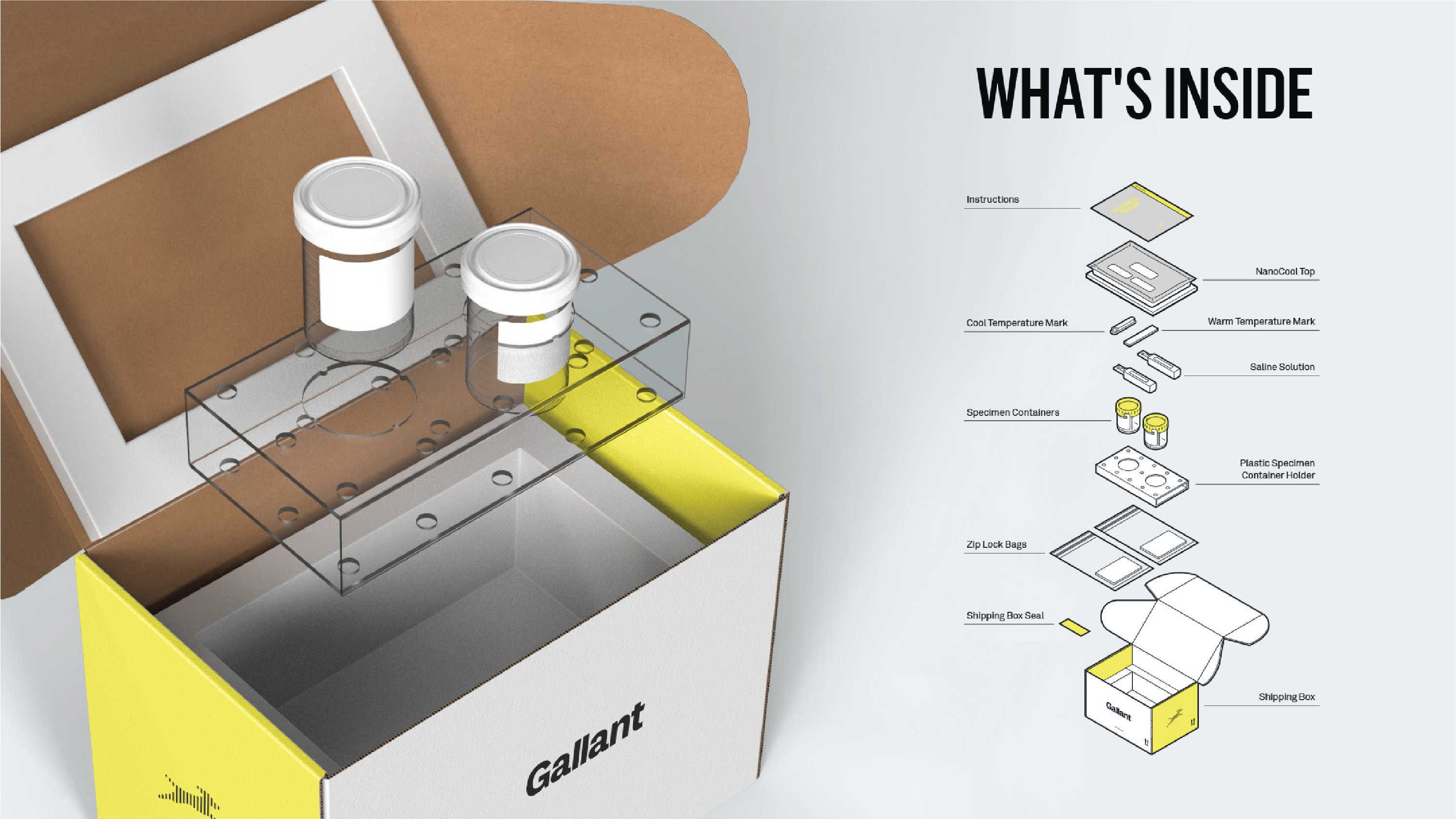
By collecting stem cells harvested during the operations, Gallant says it can get access to younger, healthier stem cells.
Banking and paying for therapies using Gallant’s technology isn’t cheap. The company charges $395 to collect the cells and another $595 to store them for a pet’s lifetime. If an owner wants to pay annually, there’s a $95 fee per year to store the genetic material. (Gallant says it’s waiving the initial collection fee for a limited time to coincide with its launch).
Treatments based on a pet’s genetic material cost $300.
“In my experience with clinical trials and evaluating dogs with debilitating arthritis, I’ve seen first hand how cell therapy can change lives, ” said Dr. Black, chief scientific officer at Gallant, in a statement. “I’m committed to developing therapies that dramatically improve the quality of life for dogs.”
from TechCrunch https://ift.tt/364h5QI
via IFTTT
Comments
Post a Comment