Hello and welcome back to Max Q! Straight to the big news up front: It seems that we are finally getting close to the first orbital flight test (OFT) of SpaceX’s Starship — for real this time. It’s looking like a wet dress is likely next week, and if all goes to plan, we could see SpaceX attempt a flight as soon as the week after.
In this issue:
- Virgin Orbit’s death knell
- A new startup building “orbital pursuit” spacecraft for the Pentagon
- News from Stoke Space and more
Virgin Orbit files for bankruptcy
Virgin Orbit, the low Earth orbit small-payload launch company that was spun out of Richard Branson’s Virgin Galactic, has filed for bankruptcy protection with the U.S. Securities and Exchange Commission.
The bankruptcy filing follows weeks of bad news for the company, including a pause on all operations, a brief hunt for more money to continue as a going concern and massive layoffs to try to right-size to the company’s actual available budget, which the bankruptcy news essentially confirms was nonexistent. RIP.
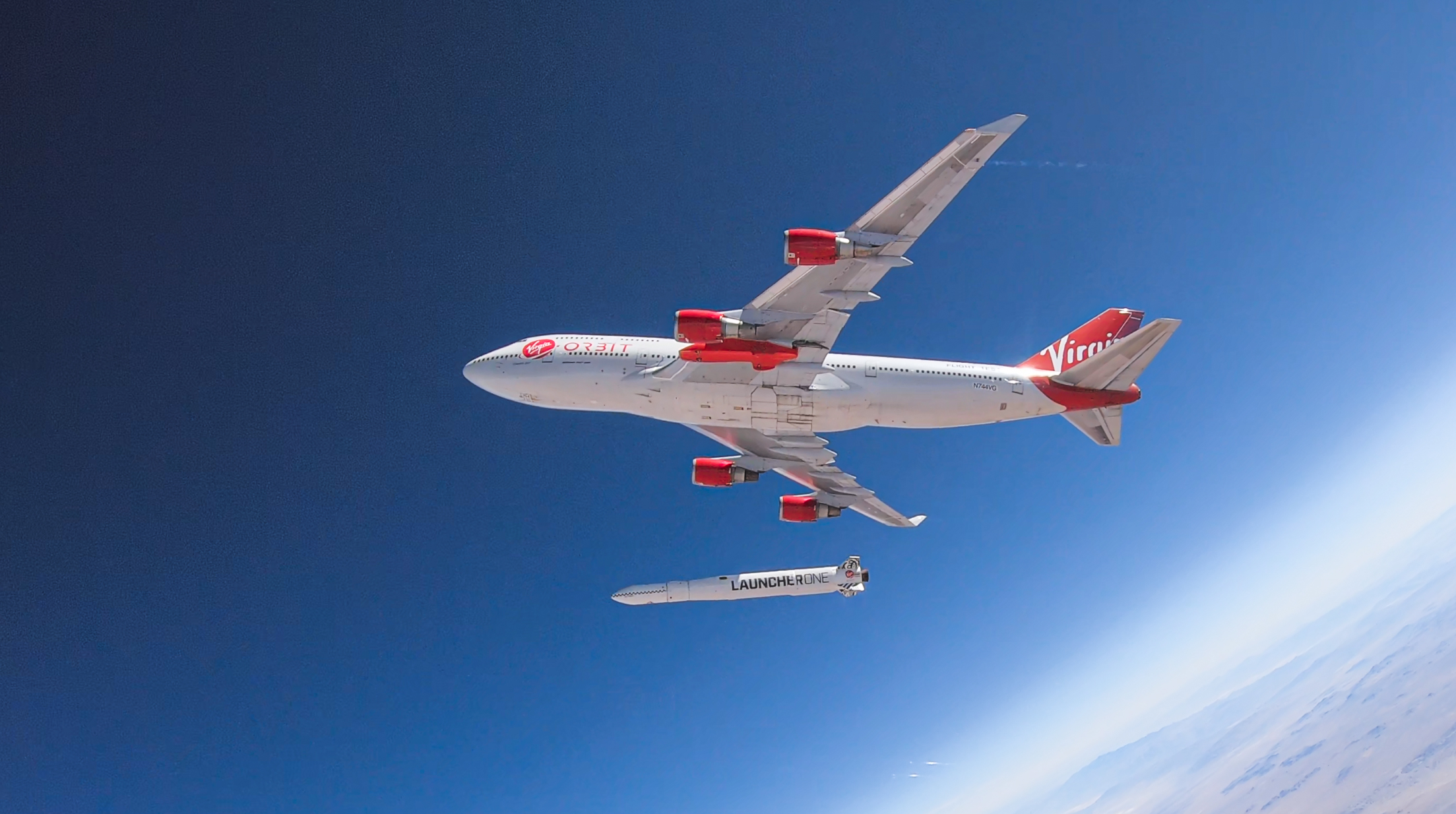
Image Credits: Virgin Orbit/Greg Robinson
True Anomaly wants to train space warfighters with spy satellites
As tensions between the United States and China continue to escalate, a new startup has emerged from stealth with millions raised and a plan to send intelligence-gathering pursuit satellites to orbit this year.
Colorado-based True Anomaly was founded last year by a trio of ex-Space Force members. The company has set out to supply the Pentagon with defensive tech to protect American assets in space, and to conduct recon on enemy spacecraft. The startup has developed a technology stack that includes training software and “autonomous orbital pursuit vehicles” that will be able to collect video and other data on objects in space.
According to True Anomaly CEO Even Rogers, there is a critical “information asymmetry” between the U.S. and its adversaries regarding space activities. Such an asymmetry increases the probability of conflict “because it creates conditions for miscalculation,” he said.
“We have to get absolutely clear about what their intentions are and what their capabilities are so that we can make the right investments and defend ourselves if necessary.”
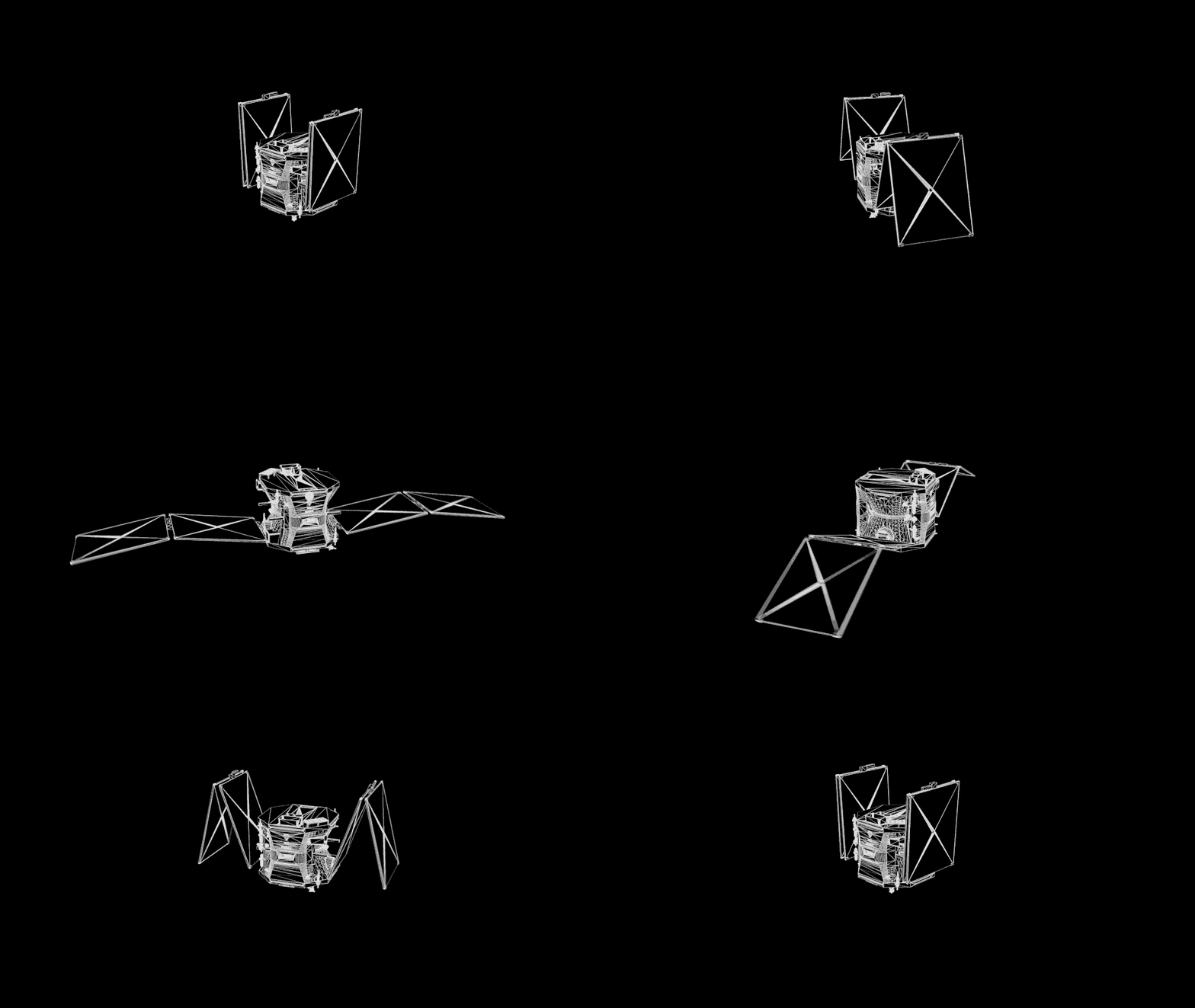
Image Credits: True Anomaly
More news from TC and beyond
- Apex Space will launch its first satellite bus next January, and has a goal of manufacturing 100 satellite buses by 2026. (TechCrunch)
- Astrolab, a startup headed by an engineer who’s worked at SpaceX and NASA’s Jet Propulsion Lab, will be sending its first lunar rover to the moon on a Starship mission scheduled for 2026. (New York Times)
- Axiom Space’s second private astronaut mission is now scheduled to launch to the International Space Station on May 8. (Axiom)
- China’s military is planning a national satellite constellation on an order comparable to Starlink — around 13,000 spacecraft. (Washington Post)
- The Indian Space Research Organization landed a reusable space plane prototype for the first time. (Space)
- Loft Orbital has ordered 15 more satellite buses from Airbus OneWeb Satellites, for a total of 30, to meet increased demand for on-orbit payload hosting. (SpaceNews)
- Outpost scored a $1.7 million contract from the Department of Defense to test its Ferry satellite, which is designed to deliver payloads to orbit and bring them back to Earth. (Payload)
- Quantum Space unveiled a new orbital transfer vehicle called Ranger, which will be able to host and deliver over 1.5 metric tons of payloads in GEO and over 2.5 metric tons to cislunar space. (Quantum)
- Seraphim Space released its latest space ecosystem map on the space industry, categorizing companies by categories including “space hardware,” “launchers” and “satellite data.” (Seraphim)
- SpaceX is nearing the first OFT of Starship, but there are a few roadblocks remaining: the launch license and the possibility of a civil suit on environmental grounds. (TechCrunch)
- Stoke Space launched a new tool to let hardware companies track the design, testing and integration of parts. (TechCrunch)
Max Q is brought to you by me, Aria Alamalhodaei. If you enjoy reading Max Q, consider forwarding it to a friend.
Max Q: This is not a drill! by Aria Alamalhodaei originally published on TechCrunch
source https://techcrunch.com/2023/04/10/max-q-this-is-not-a-drill/
Comments
Post a Comment